




Every parent has experienced it. The whining that seems never-ending, the sudden tantrums over the smallest things, the clinginess, the defiance, or the emotional outbursts that seem to come out of nowhere. In these moments, it can feel natural to think, “My child needs to behave better.”
But sometimes, what looks like misbehavior is actually a quiet request for something deeper: connection.
Young children are still learning how to express their emotions, regulate their feelings, and communicate their needs. When they feel disconnected, overwhelmed, tired, or emotionally unsure, their behavior often becomes their loudest form of communication. Before jumping straight into consequences or stricter discipline, it may help to pause and ask: “Could my child be needing more closeness right now?”
Here are some common signs your child may be craving connection more than correction.
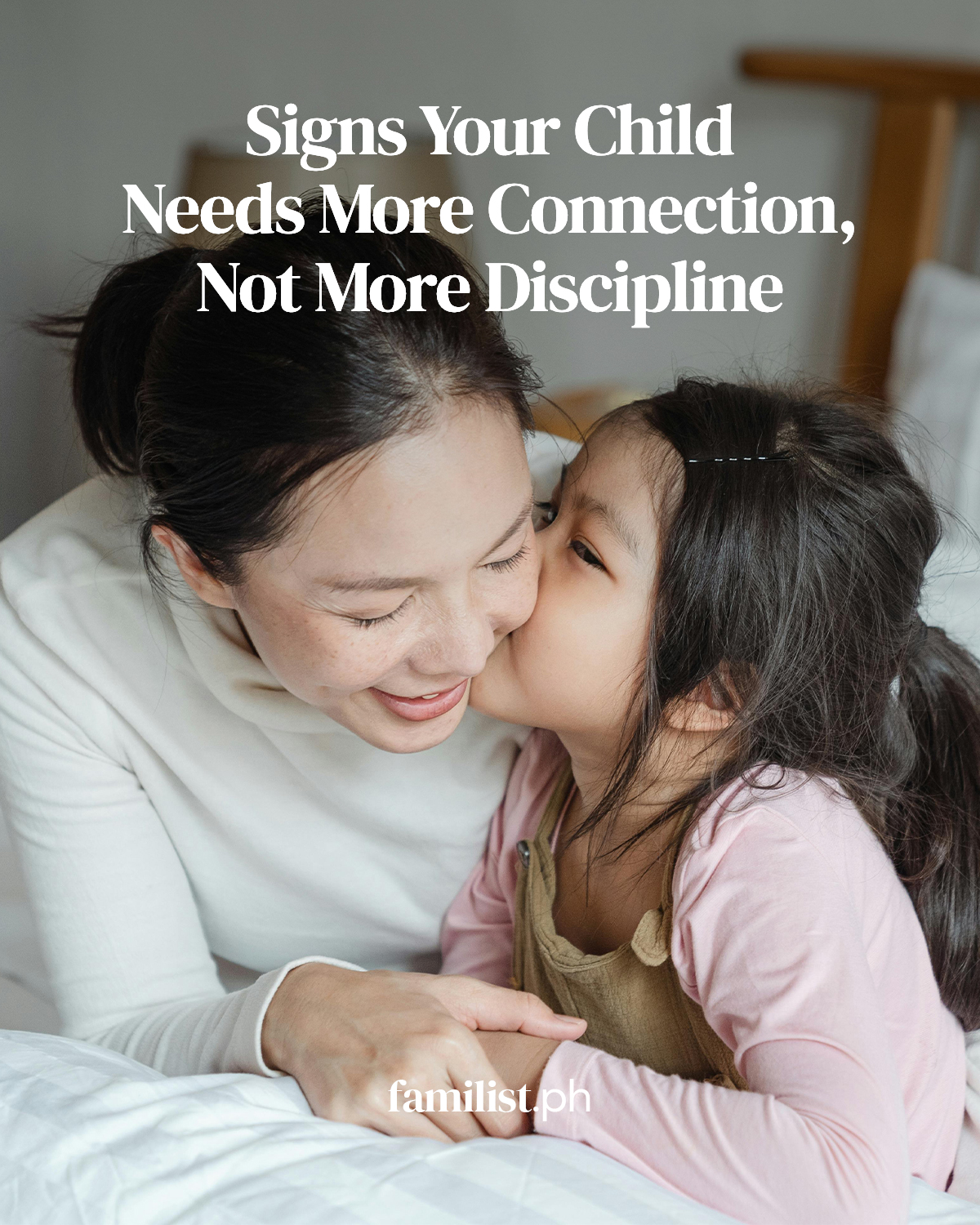

If your child suddenly becomes extra clingy, follows you everywhere, interrupts constantly, or demands your attention all day long, it can be tempting to label it as “being difficult” or “acting spoiled.”
But attention-seeking is often connection-seeking.
Children naturally look to their parents for emotional safety and reassurance. Changes in routine, school stress, sibling dynamics, busy schedules, or even simply missing quality time with you can make them feel emotionally disconnected. Their behavior may be their way of saying, “I need you close.”
Sometimes, even ten uninterrupted minutes of play, cuddles, or conversation can help refill their emotional cup.

Meltdowns over the wrong color cup. Tears because a cracker broke in half. Explosive reactions that seem completely disproportionate.
While tantrums are developmentally normal, frequent emotional explosions can sometimes point to an overwhelmed child who needs emotional support before discipline.
Children do not always have the language or emotional regulation skills to explain what they’re feeling. When they feel disconnected, overstimulated, tired, or emotionally stressed, small frustrations can suddenly feel enormous to them.
Connection during these moments does not mean allowing bad behavior. It means helping your child feel safe enough to calm down first before teaching lessons or correcting actions.

Sometimes, children who feel disconnected become more oppositional. They ignore instructions, resist routines, or push boundaries more intensely than usual.
This does not automatically mean they are becoming “bad” or manipulative.
Children are wired for connection with their caregivers. When they feel emotionally distant, they may unconsciously seek engagement in whatever way they can, even through conflict. Power struggles can sometimes become a child’s attempt to regain attention and interaction.
A calmer, more connected approach often works better than escalating punishments. Eye contact, getting down to their level, physical affection, or playful connection before giving instructions can make a surprising difference.

Many children hold themselves together all day in school or structured environments. By the time they get home, their emotional energy is depleted.
This is why some children seem perfectly behaved outside the home but fall apart the moment they see their parents.
Home is their safe space. You are their safe person.
If your child becomes extra emotional after school, they may not need immediate correction or lectures. They may first need decompression, comfort, snacks, quiet time, physical closeness, or simply your calm presence.

Not all signs are loud.
Sometimes, a child who needs connection becomes quieter instead. They may spend more time alone, show less enthusiasm, seem emotionally distant, or stop sharing as much about their day.
In busy family routines, emotional disconnection can happen gradually and quietly.
Simple rituals can help rebuild closeness:
Reading together before bed
One-on-one playtime
Family meals without devices
Short walks or errands together
Daily check-ins about feelings and experiences
These small moments often matter more than grand gestures.

Connection and discipline are not opposites. In fact, strong connection often makes discipline far more effective.
Children learn best when they feel emotionally safe, understood, and connected to the adults guiding them. Boundaries are still important. Consequences still matter. But children are more likely to cooperate and regulate themselves when their emotional needs are consistently met alongside those boundaries.
Connection does not mean permissiveness. It means leading with empathy while still teaching limits and responsibility.

Connection does not always require extra time or elaborate activities. Often, it’s found in simple everyday moments.
Here are a few small but meaningful ways to reconnect:
– Put your phone away during conversations
– Spend 10 to 15 minutes of uninterrupted playtime together
– Offer hugs and physical affection often
– Make eye contact when they speak
– Laugh together
– Create calming bedtime routines
– Validate feelings before correcting behavior
– Slow down during difficult moments instead of reacting immediately
These little moments build emotional security over time.
The Behavior Is the Message
Children are not always able to say, “I’m feeling disconnected,” or “I need reassurance.” Instead, they communicate through behavior.
Of course, children still need guidance, structure, and boundaries. But sometimes, beneath the tantrums, defiance, clinginess, or emotional outbursts is a child quietly asking, “Can you stay close to me right now?”
And often, connection is where the real change begins.