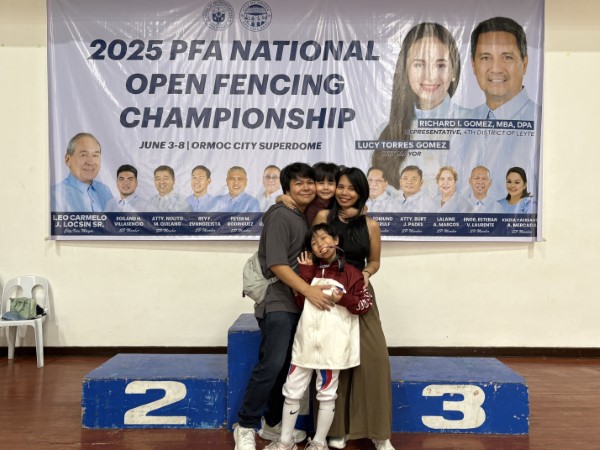

In a sport where she can’t exactly shout “Shoot!” or “Pass” to show support for her child, Marielle Justine Sumilong, or Mommy MJ, has mastered the art of silent sideline cheering. You see, her two sons are into fencing, or in her words, “the sport where your kid runs around waving a shiny stick and pretending to be a swashbuckling hero.”
In a nation where young athletes such as Alex Eala, Carlos Yulo, and EJ Obiena become growing symbols of Filipino pride, Mommy MJ urges parents to get their kids into sports, now more than ever.
Here are five compelling reasons sports can shape your child’s future, as shown in Mommy MJ’s and her young fencers’ stories.


Like a building that can withstand earthquakes and storms, a child with inner strength can endure life’s toughest challenges. In both cases, it all comes down to a strong foundation, and sports can help lay that early on in kids.
Mommy MJ’s eldest son Yorick, 9, has always been athletic. Prior to fencing, he tried toddler ballet, taekwondo, swimming, and developmental leagues in basketball. Although Yorick was good during basketball training and drills, they noticed that he wasn’t doing very well in actual league games. “Seeing his challenges in a team sport, we thought about letting him try an individual combat sport with a weapon–something he hasn’t tried before,” she says.
In fencing, just like in any sports, a child trains to help his body have muscle memory, that whether he wins or loses a match, he will emerge a better individual. Mommy MJ underscores “the laudable growth” in her son’s socioemotional skills.



It was through Mommy MJ’s students, batchmates, and orgmates in UP Diliman who are members of the UP Fencing varsity team that she learned about Oblation Fencing, a grassroots program teaching fencing to young, aspiring fencing athletes.
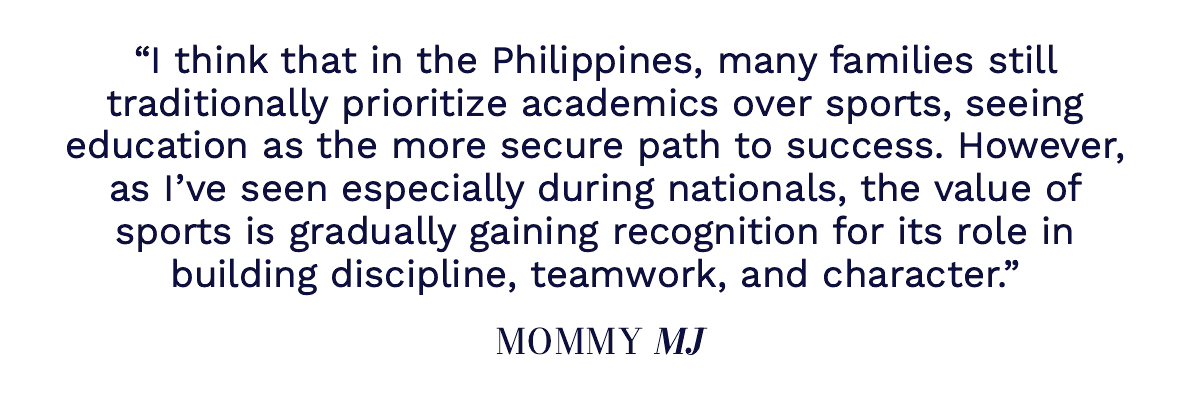
According to Mommy MJ, both Yorick and Elias understand that “fencing and other extracurriculars are privileges and that their academics should always be the priority.” This echoes the sentiment of many Filipino parents, whether they are part of the academe like Mommy MJ, or outside of it.

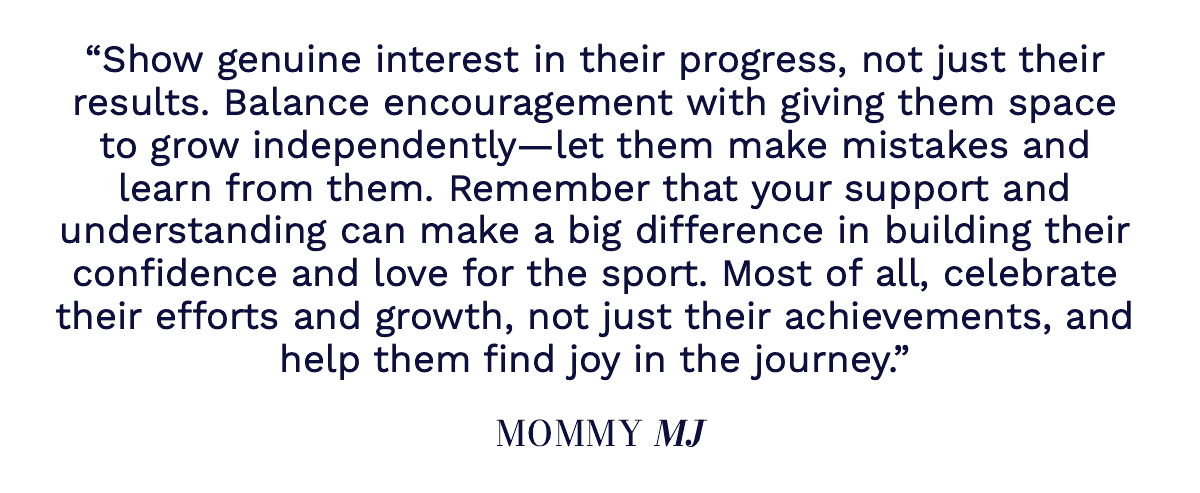
Yorick, for example, expressed his desire to train from once a week to thrice a week to prepare for tournaments. Although Mommy MJ and her husband were a bit wary at first because training days meant less time for homework and academics, they were still very supportive of their passionate athlete.
Honoring his promise to his parents, Yorick took the initiative to manage his time more effectively. He became more mindful of class requirements and deadlines. He also began to see fencing as a reward for doing well in school. For example, whenever he scores high on an exam or quiz, he asks for additional training days, striking a healthy balance between sports and academics.


There was a time when world-class athletes were mostly adults, reinforcing the idea that to excel in sports requires years of habit formation and long, intense training. But that’s no longer the case, with the recent victories of young athletes like Alex Eala, Carlos Yulo, EJ Obiena, and Hidilyn Diaz.

Although Yorick has been fencing for a little less than a year, he has already competed at the nationals (Philippine Fencing Association) and several local tournaments, and has represented the Philippines at a fencing competition in Taiwan. Mommy MJ says that the journeys of the young Filipino athletes “have inspired me to encourage my child to be brave, to keep trying even after setbacks, and to value effort and growth over medals.”
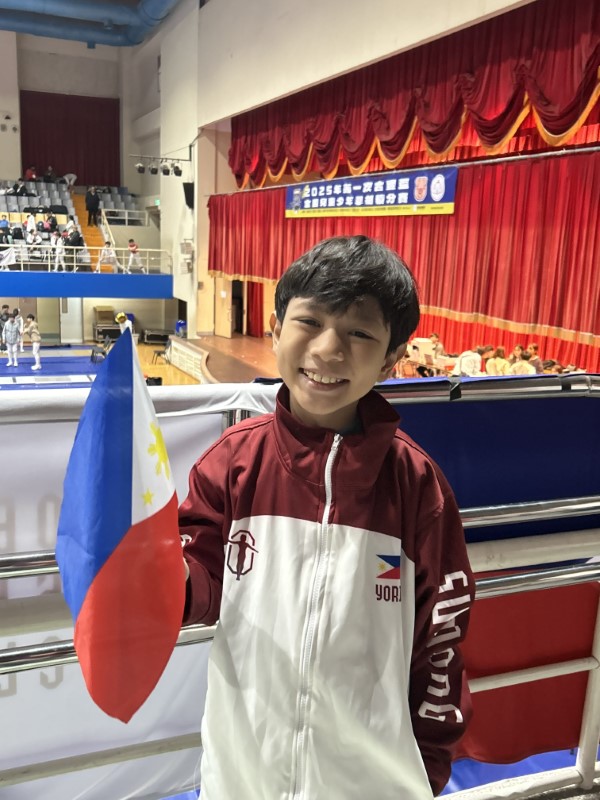
Yorick stepped onto the international fencing scene even before turning 10, which is a feat in itself. Proving that no age is too young for sports, his younger brother Elias has also recently taken up fencing at just five years old. Early exposure to sports gives them more time to build resilience, face life’s curveballs, and dream even bigger.

If it takes a village to raise a child, it takes a team to raise an athlete. Every athlete who competes draws strength from at least one person seated on the bleachers, or standing on the sidelines. For many student athletes, this is at least one of their parents.

Mommy MJ understand that with a full-time work, her role is to be her son’s number one supporter. She further lightly shares that “although more often, I am forced to be their driver, equipment manager, counselor/ therapist, and tutor also.”
So what does a fencing training really look like for Yorick and Elias’ parents? It’s “taking work calls, attending meetings, and sending out deliverables”! On days before long exams, they make sure reviewers and worksheets are with them, too, because being sports parents means showing up anytime, anywhere.
Despite long days, Mommy MJ has no regrets. “Seeing their passion and growth in the sport makes every sacrifice worthwhile, though. Supporting their dreams has truly been my greatest joy,” she shares. For parents whose children show early interest in sports, Mommy MJ encourages them to be their kids’ biggest supporters, to be present in practices and games when they can, and to make sure their kids’ health and well-being come first.