




Between school drop-offs, packed schedules, household responsibilities, and trying to simply get through the day, many parents worry they are not doing “enough” to support their child’s learning at home.
The good news? Building strong literacy skills does not always require elaborate lessons, expensive materials, or hours of study time.
In fact, some of the most effective literacy-building moments happen in short, simple, everyday interactions. Even 10 focused minutes a day can help strengthen your child’s vocabulary, comprehension, communication skills, confidence, and love for reading.
And for young children especially, learning through connection and play is often far more impactful than pressure-filled practice sessions.
Here are easy literacy activities parents can do in just 10 minutes a day, even during busy weeks.
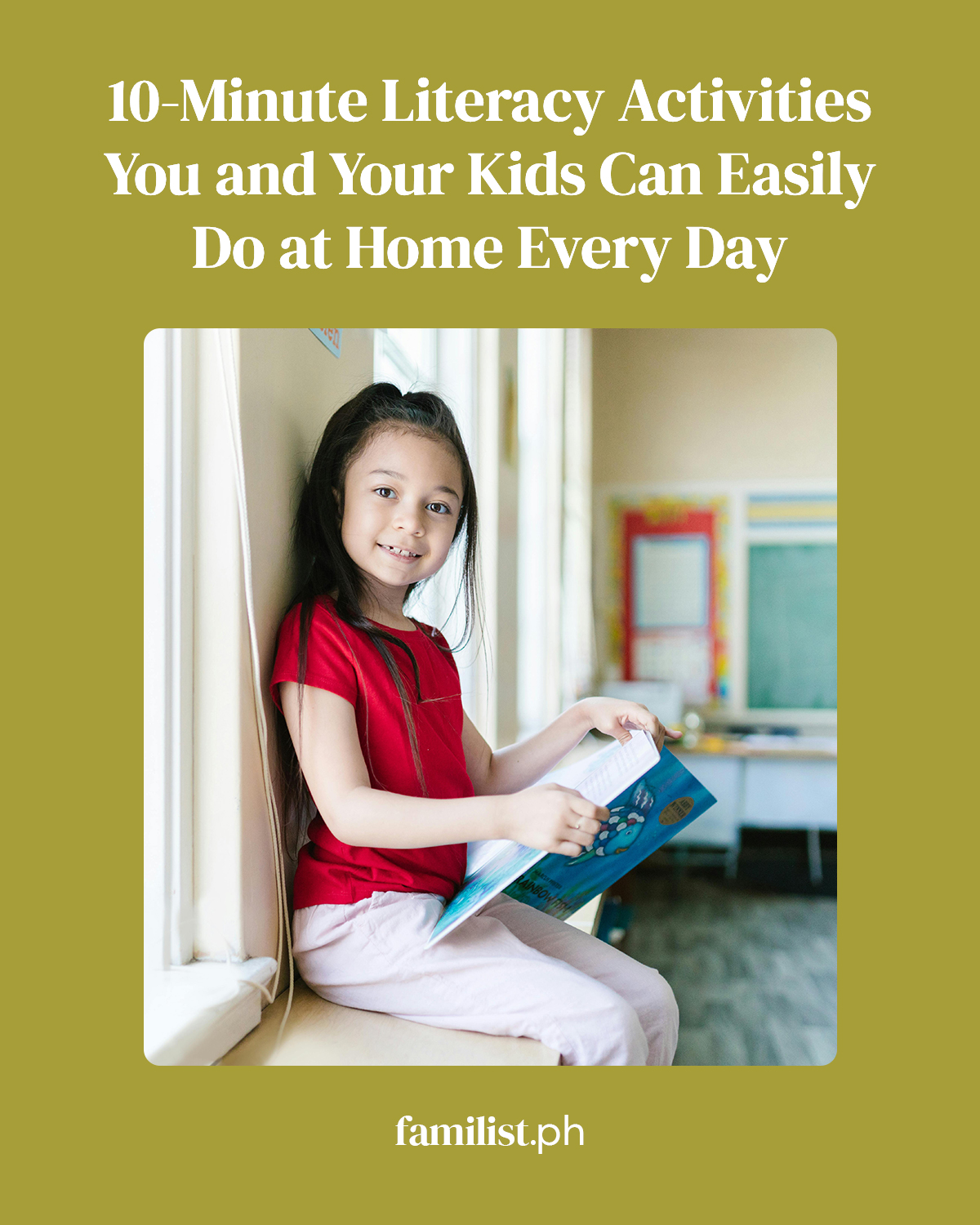

Reading aloud remains one of the most powerful ways to support literacy development.
Whether your child is a toddler, preschooler, or in elementary school, hearing stories helps build:
Vocabulary
Listening skills
Comprehension
Imagination
Sentence structure
Emotional understanding
You do not need to finish an entire book in one sitting. Even one short story or a few pages before bedtime can make a meaningful difference.
To make reading more interactive:
Ask simple questions about the story
Let your child predict what happens next
Use funny voices for characters
Point to words as you read
The goal is not perfection. The goal is making reading feel enjoyable and emotionally positive.

You can turn ordinary moments into literacy practice without your child even realizing it.
Try saying:
“I spy something that starts with the letter B.”
“Can you find something that rhymes with cat?”
“What sound does the word sun start with?”
These playful games help children develop phonemic awareness, which is an important early reading skill.
You can do this:
In the car
During grocery runs
While waiting in line
At home during cleanup time
Short, playful repetition helps literacy skills grow naturally.

Literacy is everywhere, not just in books.
Encourage your child to notice and read:
Street signs
Store names
Food packaging
Labels
Menus
Calendars
Directions
Even early readers benefit from recognizing familiar words and symbols in real life.
For younger children who are not reading independently yet, simply pointing out letters and sounds builds awareness and confidence.

Storytelling strengthens language development, sequencing skills, creativity, and communication.
You can start a simple story and let your child continue it:
“Once upon a time, a dinosaur walked into a bakery…”
“A tiny dragon got lost in the city and…”
“One day, your teddy bear started talking…”
You can also ask your child to retell events from their day:
“What was the funniest thing that happened at school?”
“What did you do during recess?”
“What happened first, then next?”
This helps children organize thoughts, expand vocabulary, and improve comprehension skills.

Writing practice does not always have to look like worksheets.
Young children often learn best through playful writing experiences like:
Writing grocery lists together
Labeling drawings
Making cards for family members
Tracing letters in sand, shaving cream, or rice
Keeping a simple journal
Writing short notes to each other
Even reluctant writers may become more engaged when writing feels creative instead of academic.

Songs, nursery rhymes, and repetitive chants help children hear patterns in language.
Rhyming activities strengthen phonological awareness, which supports reading readiness later on.
Simple activities include:
Singing familiar songs together
Clapping syllables in words
Making up silly rhymes
Reading rhyming books
Children often absorb literacy skills more easily when rhythm, movement, and play are involved.

Instead of only asking yes-or-no questions, try encouraging longer conversations.
For example:
“Why do you think that happened?”
“What would you do if you were the character?”
“How did that make you feel?”
“What do you think happens next?”
Open-ended questions help develop:
Critical thinking
Vocabulary
Communication skills
Confidence in expressing ideas
And sometimes, these little conversations become some of the most meaningful parts of the day.

One of the biggest mistakes parents make is turning literacy into constant correction.
If reading time becomes stressful, children may begin associating books with pressure instead of enjoyment.
Try to:
Avoid criticizing every mistake
Celebrate effort and progress
Follow your child’s interests
Let them choose books sometimes
Keep the atmosphere relaxed and encouraging
Children are more likely to develop lifelong reading habits when literacy feels emotionally safe and enjoyable.

Many parents feel intimidated by the idea of “teaching” at home. But literacy support does not have to look like a formal classroom lesson.
A few consistent minutes of reading, talking, storytelling, singing, or writing each day can have a lasting impact over time.
What children often remember most is not the activity itself. It’s the feeling of sitting close to you, laughing together, hearing your voice, and sharing attention.
And sometimes, those small daily moments are what truly help a love for learning grow.